Cancers of the Breast and Stomach Prevention Trust

Advancing Modern Medicine to End Healthy Organ Removals

COBS Prevention Trust funds research to correct the underlying cause of inherited cancer risk, so young asymptomatic adults no longer have to remove breasts and stomachs.

Our vision

No one should lose a healthy organ to prevent cancer

Today, people born with a faulty CDH1 gene are often advised to remove their stomach or their breasts in their twenties. The organ is functioning normally. The surgery creates permanent inadequate food metabolism and for many people longer-term mental or physical health challenges. Our vision is to make that removal choice unnecessary.

Our strategy

Fund the science that closes the gap

The CDH1 gene makes a protein called E-cadherin. E-cadherin holds billions of cells together. When the gene fails, cells lose their grip and drift out of place. That is how these cancers begin.

Our strategy has three parts.

Find the research

We identify work like prime and base editors that could permanently restore normal CDH1 function. We approach institutes directly and we run open funding calls.

Fund and collaborate

We award grants. We also collaborate on research directly where working alongside a team would achieve more than funding alone.

Share the evidence

We publish what we learn. Drug developers, regulators, and families all need the same evidence base.

What we do

We fund research. We do not treat patients.

We are a grant-making charity. We find promising research, fund it, and drive medical advances.

Our Scientific Advisory Board reviews every proposal. Our trustees are responsible for the decisions. We meet quarterly.

We do not give medical advice and we do not provide treatment. If you need support or information about your own care, your doctor/physician and the organisations below are the right place to start.

Where to find patient support

Why it matters

Two hard options, no good one

Young adult, asymptomatic CDH1 carriers face a stark choice: surgically remove organs, or watch and wait through surveillance that cannot systematically tell the difference between early and advanced cancer. Both manage risk; neither corrects its source — which is precisely the gap a gene therapy could close to prevent advanced cancer.

The National Comprehensive Cancer Network® (NCCN®) states it is the recognised standard for clinical direction and policy in cancer management and the most thorough and frequently-updated clinical practice guidelines available in any area of medicine. NCCN Clinical Practice Guidelines in Oncology (NCCN Guidelines®) for Genetic/Familial High-Risk Assessment: Colorectal, Endometrial, Esophageal, and Gastric Cancer V.1.2026 (opens in a new tab) show the gap and unmet medical need to test genetic medicine (Table 1).

In Table 1, the ‘emerging data’ for surveillance come from studies with follow-up typically under 10 years.

Table 1. NCCN pros and cons of current gastric cancer risk-management options

Pros

Risk-reducing gastrectomy

  • Risk-reducing gastrectomy maximizes reduction in risk for advanced gastric cancer and gastric cancer mortality to <1%.

Endoscopic surveillance

  • Endoscopic surveillance avoids immediate gastrectomy and may delay or avoid need for gastrectomy on follow-up.
  • There is a low risk for endoscopic complications.
  • There are emerging data that patients under surveillance rarely develop stage >pT1a SRCC, although in most studies the follow-up time is short.

Cons

Risk-reducing gastrectomy

  • In a systematic review that included 353 patients who underwent risk-reducing prophylactic gastrectomy, the rate of major complications was 19.2%, with the most common complications including anastomotic leak and pulmonary complications. Five patients required re-operation because of incomplete removal of gastric tissue. Perioperative mortality was <1%.
  • Other post-surgical complications may include internal bleeding, bile reflux into the esophagus with potential for scarring and strictures, development of ulcers/hernia, dysmotility of the GI tract, dumping syndrome, bronchitis/pneumonia, bile reflux, nausea/vomiting, diarrhea, nutritional deficiencies (including of multiple vitamins), and unintended weight loss.
  • Quality of life is often significantly impacted by risk-reducing gastrectomy in CDH1 carriers. While a recent study has shown a return to baseline quality of life 6–12 mo after gastrectomy (according to the physical, social, emotional, and functional well-being parameters used), most patients continued experiencing high levels of intrusive GI symptoms as already described in other publications including dumping, bile reflux, diarrhea, discomfort when eating, fatigue, weight loss, eating restrictions, as well as body image, and regret for having had gastrectomy after one year.
  • Studies on decisional regret and satisfaction regarding surgery are mixed, with some suggesting low levels of regret and dissatisfaction, and others suggesting substantial levels of decisional regret after risk-reducing gastrectomy.

Endoscopic surveillance

  • Current biopsy strategies are unable to consistently distinguish between pT1a SRCC and more advanced-stage disease. This means advanced-stage disease could go undetected.
  • Long-term risk of progression of pT1a SRCC, which is present in nearly all CDH1 PV carriers, is unknown.
  • Best approaches for maximizing sensitivity of upper endoscopy for detecting SRCC with stage >pT1a with respect to frequency of surveillance, examination techniques, and biopsy techniques have not been well established.
  • At least annual upper endoscopy (EGD) surveillance will be required.

Adapted with permission from the NCCN Guidelines® for Genetic/Familial High-Risk Assessment: Colorectal, Endometrial, Esophageal, and Gastric Cancer V.1.2026. © 2026 National Comprehensive Cancer Network, Inc. All rights reserved. The NCCN Guidelines and illustrations herein may not be reproduced in any form for any purpose without the express written permission of NCCN. To view the most recent and complete version of the NCCN Guidelines, go online to NCCN.org. (opens in a new tab) The NCCN Guidelines are a work in progress that may be refined as often as new significant data becomes available. NCCN makes no warranties of any kind whatsoever regarding their content, use or application and disclaims any responsibility for their application or use in any way.

The cost of the surgery is also well documented. A 2025 literature review (opens in a new tab) found that postoperative adjustment was substantial for many patients and could prevent them from returning fully to their preoperative lifestyle, including work, socialising, intimacy, reproduction and other daily-living activities.

Family cancer history can substantially increase individual risk estimates.

CDH1 Cancer Risk

24.7%–33%1
Females · stomach
37.2%–42%1
Males · stomach
10% / 7%1
Males / Females · advanced stomach
37%–55%1
Females · lobular breast

1Estimated cumulative risk for diagnosis through age 80. Referenced with permission from the NCCN Guidelines for Genetic/Familial High-Risk Assessment: Colorectal, Endometrial, Esophageal, and Gastric Cancer V.1.2026. © National Comprehensive Cancer Network, Inc. 2026. All rights reserved. Accessed July 29, 2026. To view the most recent and complete version of the guideline, go online to NCCN.org (opens in a new tab). NCCN makes no warranties of any kind whatsoever regarding its content, use or application and disclaims any responsibility for its application or use in any way.

How we do it

Cancer prevention research

The awarded grants are clinically relevant: aligned with what regulators (FDA/MHRA) accept.

Developing an approved therapy requires more than one milestone (opens in a new tab). Considering the patients as central in public health, we fund research including disease models, natural history, delivery, safety, biomarkers, manufacturing, and regulatory translation. Our trustees and Scientific Advisory Board ensure sound governance, scientific rigour, ethical standards, and regulatory compliance. No grant is awarded without independent scientific review, and funding decisions on each proposal are made only by people who have no involvement in that proposal.

Research priorities

What we will give you money for

All areas below are subject to approval by our grant process, including review by our Scientific Advisory Board and trustees.

Correcting the gene

  • Developing gene-editing approaches that restore the normal CDH1 sequence
  • Testing whether correction restores functional E-cadherin production, normal epithelial architecture, and cancer-preventive function
  • Measuring editing accuracy, unintended sequence outcomes at the target site, and treatment-associated changes in cellular states
  • Determining whether repeated or staged dosing can increase the proportion of corrected target cells

Regulator-ready natural history

  • Defining how CDH1-associated disease develops over time in different tissues, ages, and variant classes
  • Using consistent, clinically meaningful measures across participating centres
  • Identifying outcomes that could support future trial endpoints, external controls, and benefit-risk assessment
  • Collecting longitudinal data early enough to inform therapeutic development before clinical trials begin

International registry and linked data

  • Creating an international CDH1 registry with consented longitudinal clinical and genetic data
  • Linking medical records, interventions, outcomes, and patient-reported information where appropriate
  • Using standardised data structures that can support natural-history studies, trial recruitment, and future regulatory analyses
  • Designing governance, consent, and data-sharing arrangements so information can be used responsibly across research centres and countries

Disease models for therapeutic evaluation

  • Developing biologically relevant cell, organoid and animal models to evaluate CDH1 gene correction and its cancer-preventive effects
  • Using animal models to test efficacy, delivery, biodistribution, and safety where they add decision-relevant evidence
  • Using clinically relevant human ex vivo tissue models to optimise delivery and reduce uncertainty before first-in-human studies
  • Creating shared model resources and access agreements so successful tools can be reused across research programmes

Reaching the breast ducts

  • Identifying the epithelial stem or progenitor cell populations that must be reached to reduce cancer risk
  • Developing delivery approaches that can reach those cells throughout the terminal duct lobular unit network
  • Determining the level of cellular correction required for a meaningful preventive effect
  • Measuring the proportion and distribution of target cells reached by candidate delivery approaches

Reaching the whole stomach

This is the hardest problem and the biggest prize. The stomach lining is not one target but millions of separate glands spread across a large internal surface. Reaching a few is not enough. A preventive therapy has to reach enough of the stem cells that renew the lining, across the whole organ, safely and effectively.

Solving delivery at this scale could advance far more than one disease.

Biomarkers and trial-ready endpoints

  • Using natural-history data and patient priorities to identify clinically meaningful trial endpoints
  • Identifying biomarkers of disease progression and response to therapy
  • Developing outcome measures that reflect changes meaningful to patients and clinicians
  • Working with regulators early to define acceptable surrogate or intermediate clinical endpoints for future trials

Safety, biodistribution, and durability

  • Measuring local and systemic toxicity, immune responses, and cumulative effects of staged dosing
  • Mapping the distribution and persistence of the therapeutic payload and editing activity within and beyond the intended target cells and tissues
  • Assessing off-target editing, genomic integrity, abnormal clonal expansion, tumour risk, and delayed treatment-related adverse effects
  • Determining whether correction and functional benefit persist through normal tissue renewal, and how staged dosing affects both

Manufacturing and regulatory translation

  • Developing methods to establish product identity and measure purity, potency, and stability
  • Working early with regulators and specialist development partners (CROs, CDMOs, GMP manufacturers, and analytical laboratories) to shape the therapeutic development programme
  • Developing reproducible manufacturing processes that can be scaled for clinical use
  • Generating evidence that the therapeutic product can be manufactured consistently, meets defined quality standards, and is suitable for clinical investigation

Sharper risk prediction

  • Developing and evaluating polygenic risk scores (opens in a new tab) for gastric and lobular breast cancer (opens in a new tab), building on multifactorial risk prediction (opens in a new tab) in other diseases
  • Developing a clinically relevant individual absolute-risk statistical model that integrates polygenic risk scores with other genetic and non-genetic risk factors
  • Identifying genetic, family-history, clinical, comorbidity, BMI, weight, age, sex, and other modifiers of hereditary diffuse gastric and lobular breast cancer risk
  • Testing and validating prediction models in large, deeply phenotyped longitudinal health and genomic datasets, including UK Biobank, All of Us, and the Million Veteran Program
  • Using improved risk estimates to better inform surveillance, risk-reducing interventions, and future preventive therapies

None of this happens without funding

We rely on funders to provide the funding we award as grants for cancer-prevention research.

Scientific Advisory Board

Our scientific advisors

An international board covering gastrointestinal oncology, lobular breast cancer, gene therapy, and translational development.

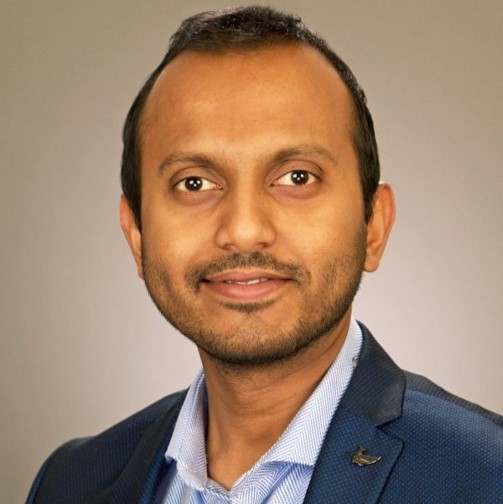
Portrait of Dr Sandeep Dhall

Preclinical and translational strategy

Dr Sandeep Dhall

Dr Sandeep Dhall is a translational research leader with over a decade of experience advancing innovative therapies across gene therapy, biologics, and regenerative medicine.

Read full biography
Dr Sandeep Dhall is a translational science leader with over a decade of extensive experience advancing innovative therapies across gene therapy, biologics, and regenerative medicine from discovery through early clinical development and post-market evidence generation. He brings extensive experience guiding translational strategies that integrate disease biology, biomarker science, nonclinical development, external innovation partnerships, and global regulatory engagement to accelerate clinically meaningful and patient-focused therapeutic advancement. Dr Dhall is an inventor on multiple patents, authored 25+ peer-reviewed scientific publications, and serves as an active scientific collaborator, reviewer, and advisor within the biotech and medical research communities. Dr Dhall received his PhD in Bioengineering and also did a postdoctoral fellowship in Cell Biology and Neuroscience at the University of California, Riverside, US. LinkedIn (opens in a new tab).
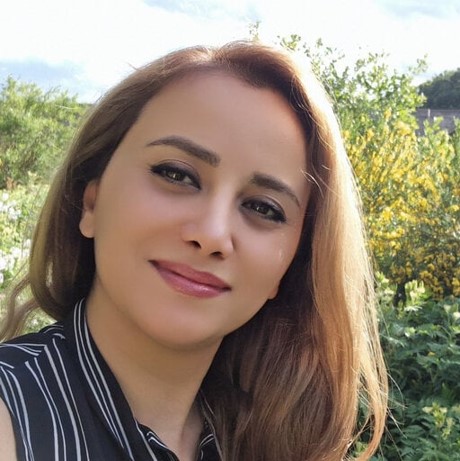
Portrait of Dr Shiva Nickaria

Gene editing, genetics, and translational strategy

Dr Shiva Nickaria

Dr Shiva Nickaria is a clinical translational scientist with expertise spanning genetics, immuno-oncology, rare-disease diagnostics, governance, and regulatory strategy.

Read full biography
Dr Shiva Nickaria is a clinical translational scientist. Her career spans academia, healthcare, and biotechnology, with expertise in immuno-oncology and genetics, the development of immunotherapy strategies, preclinical cell and genome-editing therapeutics, molecular and clinical genetics, and genetic and rare-disease diagnostics. Dr Nickaria is deeply committed to research governance, to ensure that capital allocation and scientific funding translate directly into measurable, life-changing benefits for patients and communities. Dr Nickaria authored clinical and scientific publications as well as governance strategies and institutional, regulatory and GxP policies. Dr Nickaria brings strategic insight into innovative translational approaches, regulatory pathways, clinical development risk, and the integration of breakthrough biotech into patient-focused portfolios. Dr Nickaria is a founder, leader, advisor, collaborator, and reviewer of translational delivery from bench to bedside, who completed her research fellowship at the University of Oxford, a PhD in Medical Sciences at the University of Aberdeen, and postdoctoral research at the Manchester Cancer Research Centre, UK. LinkedIn (opens in a new tab).
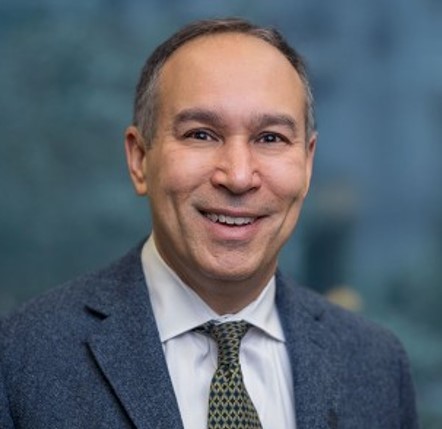
Portrait of Dr Adam Bass

Gastrointestinal oncology

Dr Adam Bass, MD

Dr Adam Bass is a gastrointestinal medical oncologist and physician-scientist whose work connects cancer genomics with clinical care.

Read full biography
Dr Adam Bass, MD, is a medical oncologist and physician-scientist who cares for people with gastrointestinal cancers including gastric and esophageal cancers at the Memorial Sloan Kettering Cancer Centre in New York City, US. Dr Bass bridges genomic discovery and clinical care. Dr Bass co-chaired The Cancer Genome Atlas project that comprehensively characterized the genomes of gastric and esophageal cancers. Dr Bass was associate professor of medicine at Harvard Medical School and at Dana-Farber Cancer Institute, and was a physician at Brigham and Women’s Hospital, Massachusetts, US. He also led the Gastrointestinal Malignancies Program and Special Program of Research Excellence in Gastrointestinal Cancer at the Dana-Farber/Harvard Cancer Center. Dr Bass served as the Vice President and Global Head of Oncology Translational Research at Novartis. Dr Bass has authored landmark publications in Nature, Cancer Discovery, and Cancer Cell, and is an elected member of the American Society for Clinical Investigation and recipient of the Eugene D. O'Kelly Award from the American Cancer Society. Dr Bass received his MD from Duke University, completed his medical oncology fellowship at Dana-Farber Cancer Institute, and conducted postdoctoral research at Dana-Farber and the Broad Institute, Boston, US. LinkedIn (opens in a new tab).
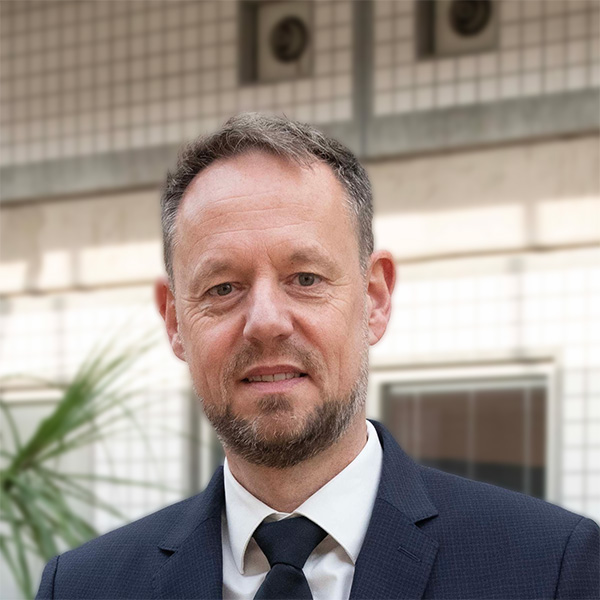
Portrait of Dr Patrick Derksen

E-cadherin (CDH1 gene) and lobular breast cancer biology

Professor Patrick Derksen

Professor Patrick Derksen is a cancer biologist specialising in E-cadherin loss, invasive lobular breast cancer, and preclinical disease modelling.

Read full biography
Professor Patrick Derksen is a full professor, cancer biologist, and principal investigator at University Medical Center UMC Utrecht, the Netherlands. Professor Derksen's research focuses on how disruption of cell-cell and cell-matrix adhesion drives cancer development and progression, with a particular focus on invasive lobular carcinoma (ILC), and basal-type cancers like triple negative breast cancer and head and neck cancer. Using conditional mouse modelling, his work established a causal relationship between loss of E-cadherin function and the development and progression of ILC. Work in Professor Derksen's lab covers a breadth of discovery science from molecules to organisms, including preclinical translation of new interventions in mice. Professor Derksen founded and chairs the European Lobular Breast Cancer Consortium, serves on the scientific advisory boards of the Lobular Breast Cancer Alliance and the Dutch Lobular Breast Cancer Foundation, and has been recognised with competitive NWO-VENI and NWO-VIDI awards from the Dutch Research Council. Professor Derksen obtained his PhD from the Academic Medical Center in Amsterdam and conducted postdoctoral research at the Netherlands Cancer Institute. LinkedIn (opens in a new tab).
Trustees

Who governs the charity

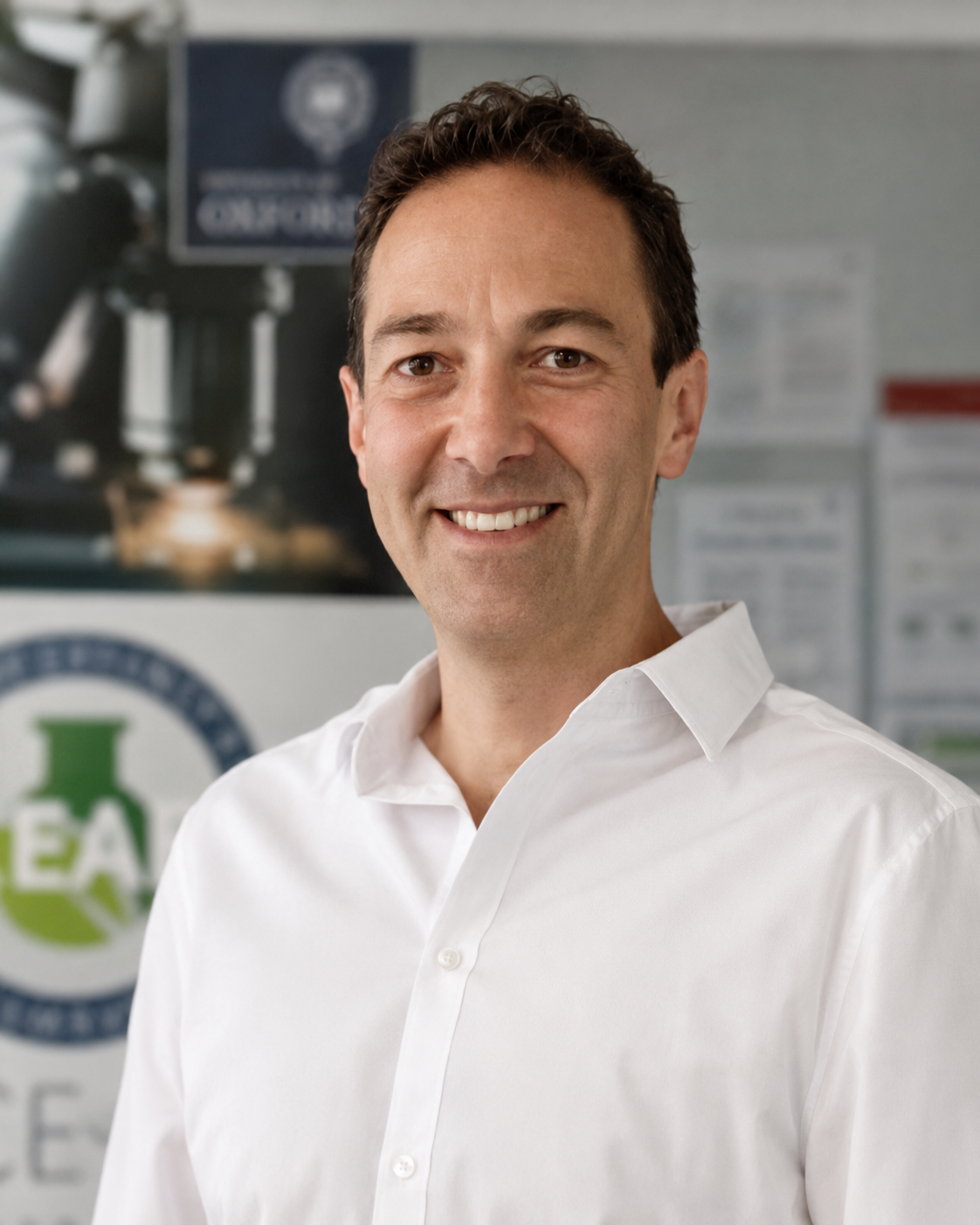
Portrait of Gavin Wood
Founding Trustee

Gavin Wood

Gavin studied molecular genetics, with a focus on the universal polymer deoxyribonucleic acid (DNA), including its synthesis, variants, and role in heredity. He founded Helionex, a gene-therapy research unit on his family's CDH1 sequence, and founded Cancers of the Breast and Stomach Prevention Trust for global public health.

Read full biography
Gavin studied molecular genetics, with a focus on the universal polymer deoxyribonucleic acid (DNA), including its synthesis, variants, and role in heredity. He founded Helionex, a gene-therapy research unit based on his family's CDH1 sequence, and founded Cancers of the Breast and Stomach Prevention Trust for global public health. He also co-founded Restantia Therapeutics through the Nucleate UK Catalyse programme, an early-stage biotechnology company exploring feasibility of venture-backed BRCA1/2 and CDH1 cancer-prevention programmes. Gavin holds no shares in Restantia and has no financial interest in its research, and Helionex is not a commercial company and cannot receive grants from Cancers of the Breast and Stomach Prevention Trust. Gavin’s academic background spans business, human disease, and forests, with a first-class honours BSc in International Business Management from Anglia Ruskin University, London, an MSc in Forestry Management from HAU, UK, a Doctorate of Philosophy in molecular genetics ongoing at the University of Oxford, and Continued Professional Development Harvard Medical School programmes in Cancer Genomics and Precision Oncology, Pharmacology, Stem Cell Medicine, and Nucleic Acid Therapeutics. Connect on LinkedIn (opens in a new tab).
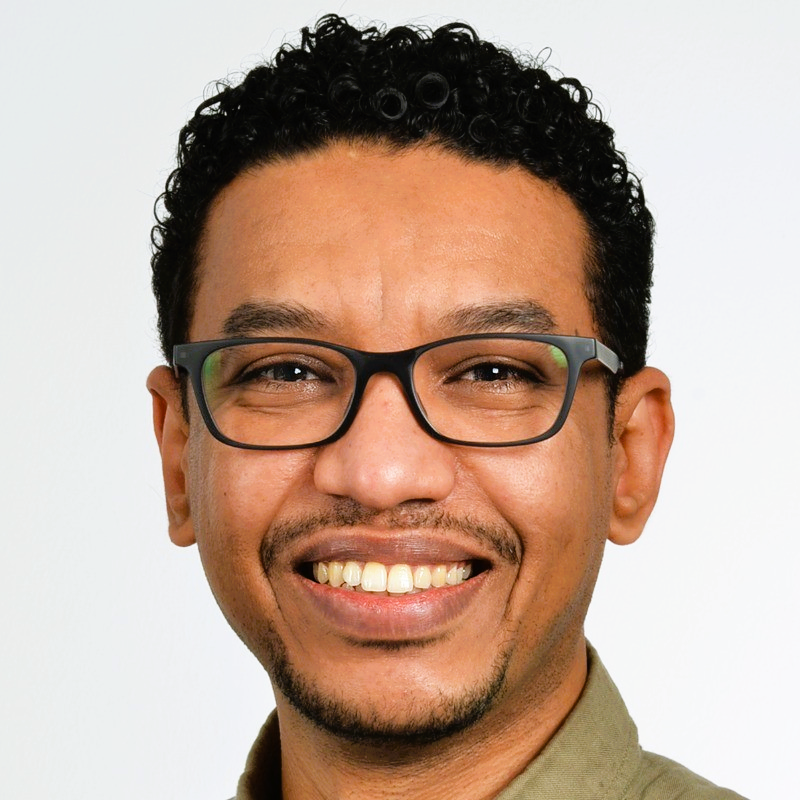
Portrait of Dr Hassan Elsaid
Trustee on incorporation

Dr Hassan Elsaid

Dr Hassan Elsaid is a postdoctoral research fellow at the University of Bergen / Haukeland University Hospital, Norway, where he studies tumour-stroma interactions and treatment response in head and neck squamous-cell carcinoma. Dr Elsaid's experience spans genetic-disease modelling, preclinical ethics, and research strategy.

Read full biography
Dr Hassan Elsaid is a biomedical researcher with experience spanning cancer biology, genetic disease modelling, and quantitative analysis. He is a postdoctoral research fellow at the University of Bergen and Haukeland University Hospital, Norway, where his research focuses on head and neck squamous cell carcinoma, tumour-stroma interactions, cancer-associated fibroblast biology, and treatment response. His experience combines experimental design, microscopy and digital pathology, statistical and bioinformatics-supported analysis, and coordination across university, hospital, clinical and core-facility teams. During his doctoral research, Dr Elsaid developed a CRISPR/Cas9 zebrafish model of Fabry disease, integrating molecular biology, histology, quantitative imaging and omics interpretation to investigate disease mechanisms. He also has substantial expertise in research governance and ethics, including through prior board and committee experience. Dr Elsaid holds a PhD in Clinical Medicine/Molecular Cell Biology and an MSc in Developmental Biology and Physiology from the University of Bergen, an MSc in Genetics and Molecular Biology and a BSc in Zoology from the University of Khartoum. Connect on LinkedIn (opens in a new tab).
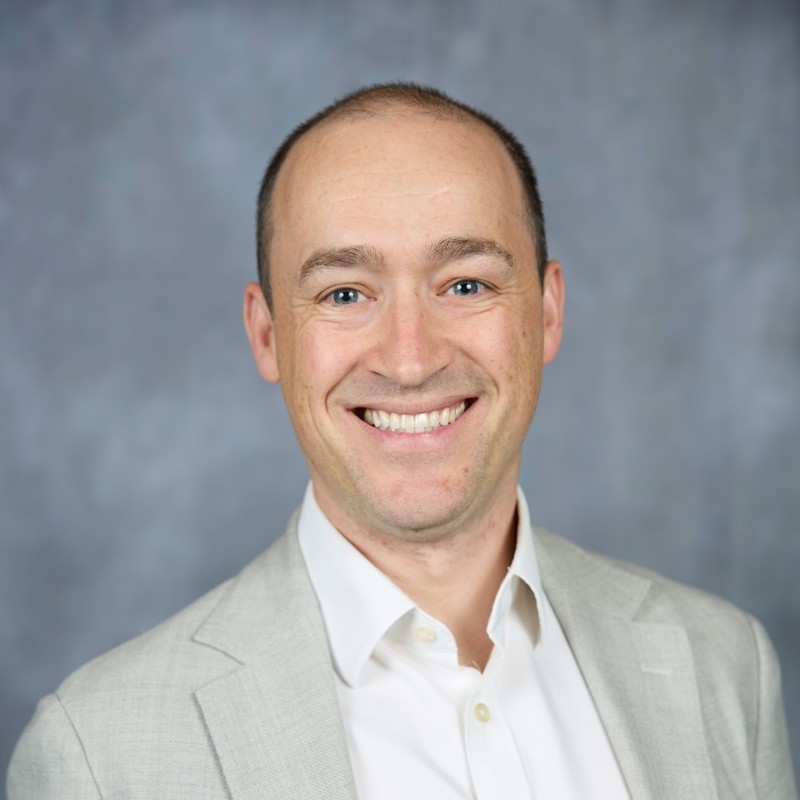
Portrait of Professor James Chambers
Trustee on incorporation

Professor James Chambers

James Chambers, PhD, is a professor at Tufts University School of Medicine and an investigator at Tufts Medical Center, Boston, MA. He examines how US health plans make coverage decisions for specialty drugs for rare and common diseases and how those decisions affect patient access.

Read full biography
James Chambers, PhD, is a professor at Tufts University School of Medicine and an investigator at The Institute for Clinical Research and Health Policy Studies at Tufts Medical Center. Professor Chambers's research is focused on how US health plans develop policies for specialty drugs, and how patient access is affected by those policies. Professor Chambers also developed and leads the Specialty Drug Evidence and Coverage (SPEC) Database. He investigates the added health gains and costs of new drugs, speciality and non-speciality drug differences, rare and common disease, and biologics and small-molecules. Professor Chambers holds an MPharm from Queen’s University of Belfast, an MSc in Health Economics from the University of York, and a PhD in Health Economics from Brunel University, UK. Professor Chambers is based in Boston, Massachusetts, US. Connect on LinkedIn (opens in a new tab).

Operations

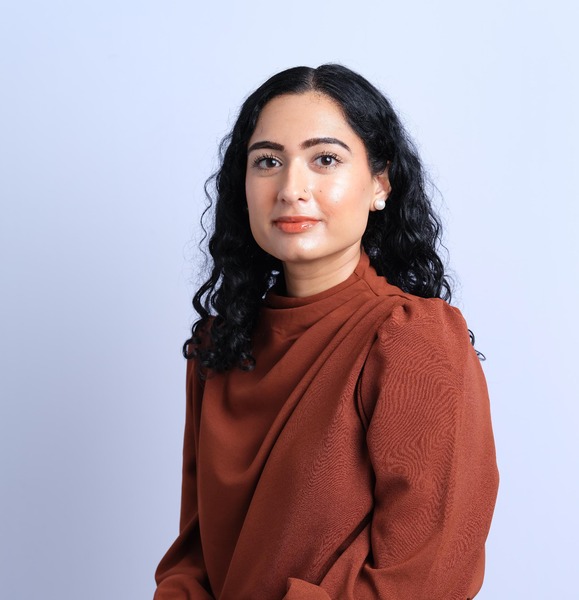
Portrait of Ayisha Sharma
Scientific Communications Administrator

Ayisha Sharma

Ayisha Sharma is the Trust’s Scientific Communications Administrator, supporting internal communications and leading external communications, including grant communications from initial enquiries through to final reports. She is also a biotechnology journalist at Financial Times' Endpoints News, covering cancer drug development, biotechnology and pharmaceutical science.

Read full biography
Ayisha Sharma is a science communicator and journalist with over five years of experience writing about medical breakthroughs. Ayisha is a news reporter for the Financial Times’ publication Endpoints News, which covers global biotechnology and pharmaceutical science, people, companies and the money that drives innovation. Endpoints reaches over 170,000 specialists daily. She has covered the full spectrum of cancer drug development, from early-stage clinical trial readouts to new drug approvals, and her other bylines include Citeline’s Scrip, GlobalData, and The Observer. Ayisha supports our internal communications. She also leads our external communications, including for grants from initial enquiries through to final reports. Ayisha holds a BA in English and Philosophy from the University of Nottingham, UK, a News Associates diploma in Multimedia Journalism and an MA in Philosophy from University College London. Connect on LinkedIn (opens in a new tab).

Ayisha Sharma is a science communicator and journalist with over five years of experience writing about medical breakthroughs. Ayisha is a news reporter for the Financial Times’ publication Endpoints News, which covers global biotechnology and pharmaceutical science, people, companies and the money that drives innovation. Endpoints reaches over 170,000 specialists daily. She has covered the full spectrum of cancer drug development, from early-stage clinical trial readouts to new drug approvals, and her other bylines include Citeline’s Scrip, GlobalData and The Observer. Ayisha supports our internal communications. She also leads our external communications, including for grants from initial enquiries through to final reports. Ayisha holds a BA in English and Philosophy from the University of Nottingham, UK, a News Associates diploma in Multimedia Journalism and an MA in Philosophy from University College London. Connect on LinkedIn (opens in a new tab).

Questions

Fair questions, answered plainly

Do you have a proven medicine we can use now?

No. Our goal is to support the research needed to develop an approved therapy. It is not a treatment available now to patients. We will always say clearly what is established and what is still a hypothesis.

Is the underlying technology real?

Yes. Gene therapy has moved from the laboratory into patients. In 2026, it was reported that tailored genetic medicines had been used to treat more than 200 people across a range of rare diseases. Furthermore, the American Society of Gene and Cell Therapy’s Quarterly Landscape Report 2026 Q2 (opens in a new tab) reported over 2,000 gene therapies in the pipeline: over 1,000 are being developed for rare diseases. Over the last several years, the FDA (opens in a new tab) has reorganised for gene therapy (opens in a new tab) products. In 2026, the Broad Institute of MIT and Harvard announced a new architecture for genetic medicine, developed in collaboration with Boston Children’s Hospital and The Jackson Laboratory, to help make FDA-approved genetic medicine accessible through the Center for Therapeutic Genetics (opens in a new tab).

FDA approval of medicines requires highly regulated US oversight and transparency in preclinical testing of safety and efficacy before gene and cell therapies can be used in humans. In the UK, this regulatory oversight is provided by the Medicines and Healthcare products Regulatory Agency, and the European Commission oversees the approval of medicines in the European Union.

Why not use chemoprevention drugs instead?

There is no approved chemoprevention medicine for hereditary diffuse gastric cancer. Medicines can reduce breast-cancer risk in a very low per cent of medium- and high-risk women, but they do not remove the need for better preventive options.

Entinostat is one experimental candidate. In preclinical studies, it inhibited growth in CDH1-null cells and mouse-derived (opens in a new tab) organoids. Researchers proposed that entinostat might both increase E-cadherin expression and normalise morphology in cells retaining one functional CDH1 copy while preferentially inhibiting growth, partly through apoptosis, in cells that had lost both copies. However, this remains a hypothesis. The breast experiments used MCF10A cells, which do not model the ER+ cells or luminal A (opens in a new tab) tumours typical of CDH1-associated breast cancer. More representative or patient-derived models may therefore be needed. Clinical trials of entinostat in other cancers have produced mixed results and substantial toxicity.

Read the entinostat trial evidence

Clinical trials of entinostat in other cancers have produced mixed results and substantial toxicity. In a predominantly US-based phase 3 breast-cancer trial (80% White, 15% Black), entinostat plus exemestane did not meet its co-primary endpoints of progression-free survival (PFS) and overall survival (OS), and adverse events caused treatment discontinuation (opens in a new tab) in 16% of participants, compared with 8% receiving placebo. In a Chinese-patient phase 3 trial, the same combination improved median PFS by 2.6 months (HR, 0.76; 95% confidence interval (CI), 0.58–0.98; P=.046). The median OS was 38 months with entinostat and 29 months with placebo, a difference of 9 months. The study authors described this as clinically meaningful, although the adjusted OS comparison was not statistically significant (hazard ratio 0.78, 95% CI 0.58–1.05; P=.097) (opens in a new tab). Grade ≥3 (severe-or-worse) adverse events occurred in 66% of participants receiving entinostat, compared with 19% receiving placebo. In a phase 2 pancreatic metastatic cancer trial, Grade ≥3 treatment-related adverse events affected 63% of patients taking entinostat with nivolumab; 95% of those affected patients were attributed to entinostat; the primary endpoint was not met (opens in a new tab). These trials assessed treatment of established cancer, not cancer prevention.

A July 2026 phase 2 result using curcumin (Meriva) to treat H. pylori–negative gastric premalignant conditions (opens in a new tab) showed a significant reduction in gastric mucosal IL1β levels (P = 0.032). The trial did not demonstrate improved gastric histology so its relevance for CDH1-related chemoprevention is unclear.

For breast cancer, tamoxifen and other drugs are used. National Institute for Health and Care Excellence publishes clinical guidelines. Taking a medicine to reduce the chance of developing breast cancer  [2017, updated November 2023] showed drugs including tamoxifen are selected according to menopausal status and can reduce the risk of developing breast cancer by approximately 0.7% to 3% (opens in a new tab) compared with no medicine. Those percentages are for women at high risk who take the medicine daily for five years. Depending on the medicine, the benefit may persist for at least 2-11 years after treatment. However, at the time of writing, the guidelines state the medicines have not been shown to reduce a patient's risk of dying from breast cancer.

Chemoprevention remains an important area of research. At present, however, chemoprevention medicine is not established for preventing hereditary diffuse gastric cancer or for CDH1-associated lobular breast cancer.

Why not rely on chemotherapy and radiotherapy when cancer develops?

Chemotherapy and radiotherapy treat cancer once it has started. They can produce remission, but the cancer may recur. They do not prevent cancer. Diffuse gastric cancer is often found late when outcomes are poor.

These treatments are critical for cancer patients. We are working towards an option that means far fewer people need them.

How solid is the track record for gene therapy as a type of medicine so far?

Gene therapy is a broad category. We are particularly interested in base and prime editors, which are currently in multiple US clinical trials, some at an advanced stage. Base and prime editors restore the DNA sequence to ameliorate the underlying cause of genetic disease. The US trials provide an FDA-regulated foundation for treating rare-disease populations. To use these for CDH1, we award grants to develop the major milestone opportunities listed above in Research Priorities. Trials searched by intervention and disease can be found at clinicaltrials.gov (opens in a new tab), Be Part of Research (opens in a new tab), and connect.careboxhealth.com (opens in a new tab). The CDH1 research we aim to fund is intended to generate the evidence and capabilities needed for an approved therapy.

Will less invasive options arrive anyway?

Surveillance does not prevent cancer. At best, it may detect cancer early and improve the chances of effective treatment. The EMBRACE investigators, supported by Cancer Research UK among others, are studying carriers with faulty breast cancer genes in the hope to determine what other factors may cause cancer development, whether cancer risk can be reduced, and whether early familial cancers can be detected through blood biopsies. CDH1 is included. At the time of writing, EMBRACE recruitment ends on 31 January 2027 (opens in a new tab).

Breast cancer detection in general is improving. Artificial intelligence (AI)-enhanced mammography showed improved breast-cancer-detection rates. The FDA cleared (opens in a new tab) some of these AIs, but at the time of writing, these latest breast-cancer AIs are not available in all centres. It is not clear how applicable these breast-cancer AIs are for lobular breast cancer. To our knowledge, there are no FDA-cleared recent AIs for better gastric cancer detection.

Is the charity independent?

Yes. On registration, the charity will be legally, financially, and operationally independent and registered with the Charity Commission for public health. The charity is not controlled by, owned by, financially dependent on, or acting on behalf of another company, research group, university, commercial venture, or individual interest. Its decisions, finances, and activities belong to the charity itself. The trustees are legally responsible for ensuring the charity is for public benefit.

What stage is the organisation at?

We are preparing to incorporate with the UK Charity Commission. Our Trustee and Scientific Advisory Boards are in place.

How will you raise the funds?

After incorporation, we will launch a crowdfunding campaign with an initial goal of £1.25 million to begin supporting research worldwide through the research priorities set out above.

Current opportunities

Join us

We are recruiting Trustees through Reach Volunteering. Trustee roles are unpaid. However, the costs that trustees reasonably incur to perform their roles will be paid.

Treasurer Trustee

Guide budgeting, financial controls, research funding, and long-term financial sustainability.
Opening soon

Trustees

Seeking a limited number of trustees with expertise in hereditary diffuse gastric cancer or lobular breast cancer; gene-therapy approval; CDH1 lived experience or advocacy; cancer-charity governance; fundraising, partnerships, marketing, grant-making, or charity law; or relevant scientific expertise in gastric or mammary biology, stem/progenitor biomarkers, TDLU architecture, base or prime editing, or in vivo drug-delivery.
Opening soon

View all opportunities on Reach (opens in a new tab)

Contact

We welcome contact from researchers, funders, clinicians, and media.

Email: info@cobspreventiontrust.org
Telephone: +44 (0) 74 9116 1270